US Issues New Rule Restricting Remote Access to Advanced American Chips
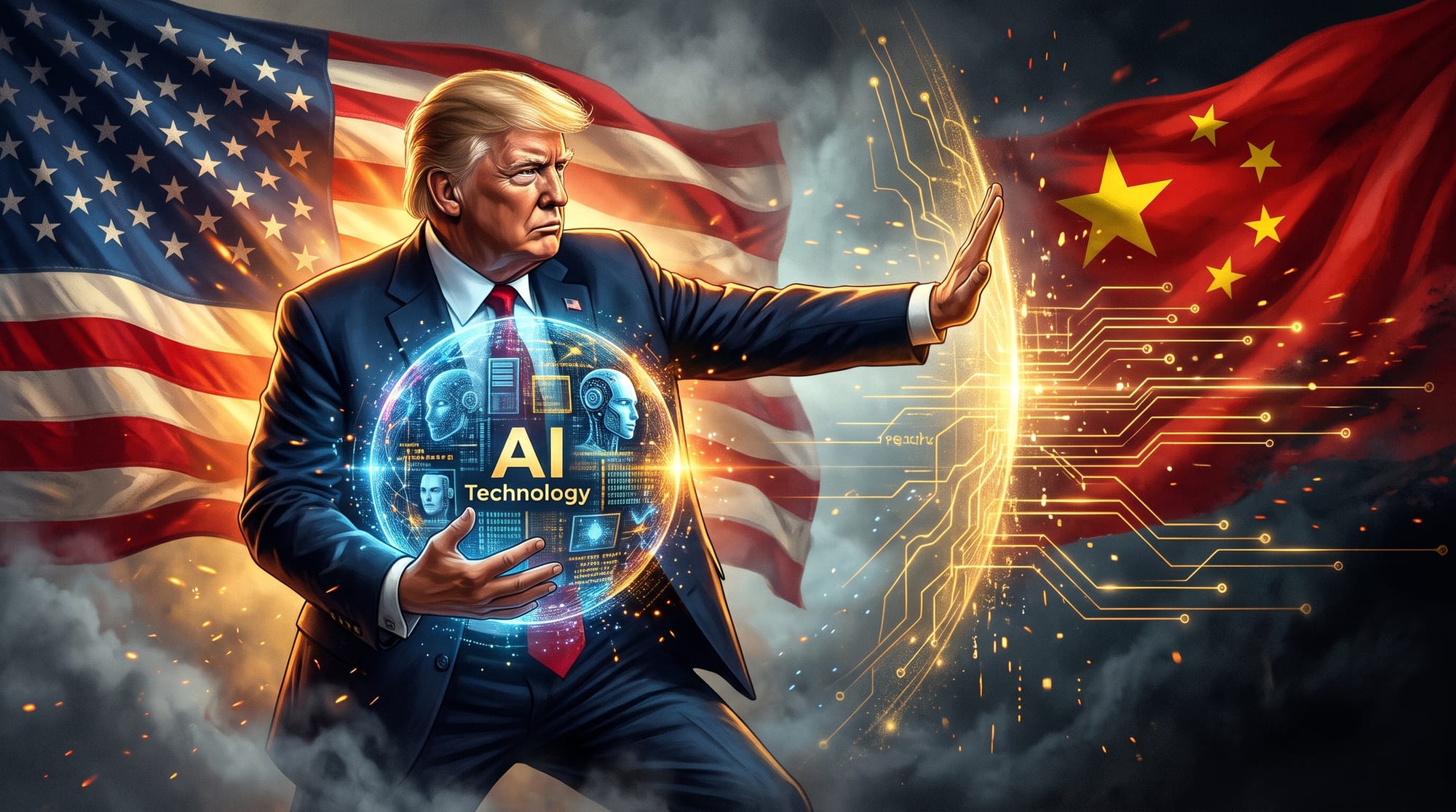
The Trump administration issued new rules on Monday restricting remote access to advanced U.S. computing chips and servers. It is the latest step to limit China’s ability to use U.S. chips to train its best artificial intelligence models.
The rule
The rule was issued by the Bureau of Industry and Security (BIS) under the Commerce Department and took effect immediately. According to BIS, it is designed to ensure that existing restrictions on access to sensitive American technology can’t be circumvented through remote computing arrangements involving data centers in third countries.
Key requirements
- End-user identification: Overseas data centers that serve companies in countries including China, Russia, Iran, and Cuba must identify their end users.
- Extra licensing: Sales of chips to Indonesia, Malaysia, Singapore, Thailand, and Brazil face additional, case-by-case licensing requirements. The rule says these countries present a higher-than-normal risk of diversion to unauthorized destinations.
Context: Nvidia and Megaspeed
The rule was issued days after Nvidia co-founder Jensen Huang resigned as CEO amid scrutiny of his ties to a Chinese executive who used to lead Megaspeed International. The Singapore-based company is suspected of diverting advanced Nvidia chips to China in violation of U.S. export controls. Megaspeed provides computing power to Chinese companies using chips housed in Southeast Asian data centers, including facilities in Malaysia.
The cloud loophole
The U.S. bans sales of its most advanced AI chips to China, aiming to keep an edge in its rivalry with China over artificial intelligence. However, many lawmakers and policymakers believe the export control rules aren’t tough enough and are full of loopholes, such as cloud computing, that let China rent processing power built on American technology.
Last year, U.S. Rep. Michael Lawler, a New York Republican, introduced a bill to extend U.S. export controls to cover remote access. He told Congress that physical export controls under current rules don’t apply to remote access, which lets China access U.S. technology through the cloud and sidestep export restrictions. The bill has passed the House.